
For agricultural valuers, no two farm inspections are ever quite the same. Beyond valuation methodologies and market information, the work requires practical knowledge, adaptability and an understanding of the unique characteristics of agricultural properties. For Karen Van Velden, a Professional Valuer with 16 years of experience in the Karoo, the job has provided plenty of memorable moments.
Based on a farm outside Beaufort West in the Central Karoo, Karen specialises in Karoo farms and their veld types. She holds a Bachelor of Science Degree in Natural Sciences, covering Zoology, Botany and Geology, as well as a Diploma in Real Estate specialising in Property Valuations. Over the past six years, she has expanded her business, Karoo Property Valuations, to include agricultural valuations in the Cape Winelands and Boland, operating from her office in Paarl.
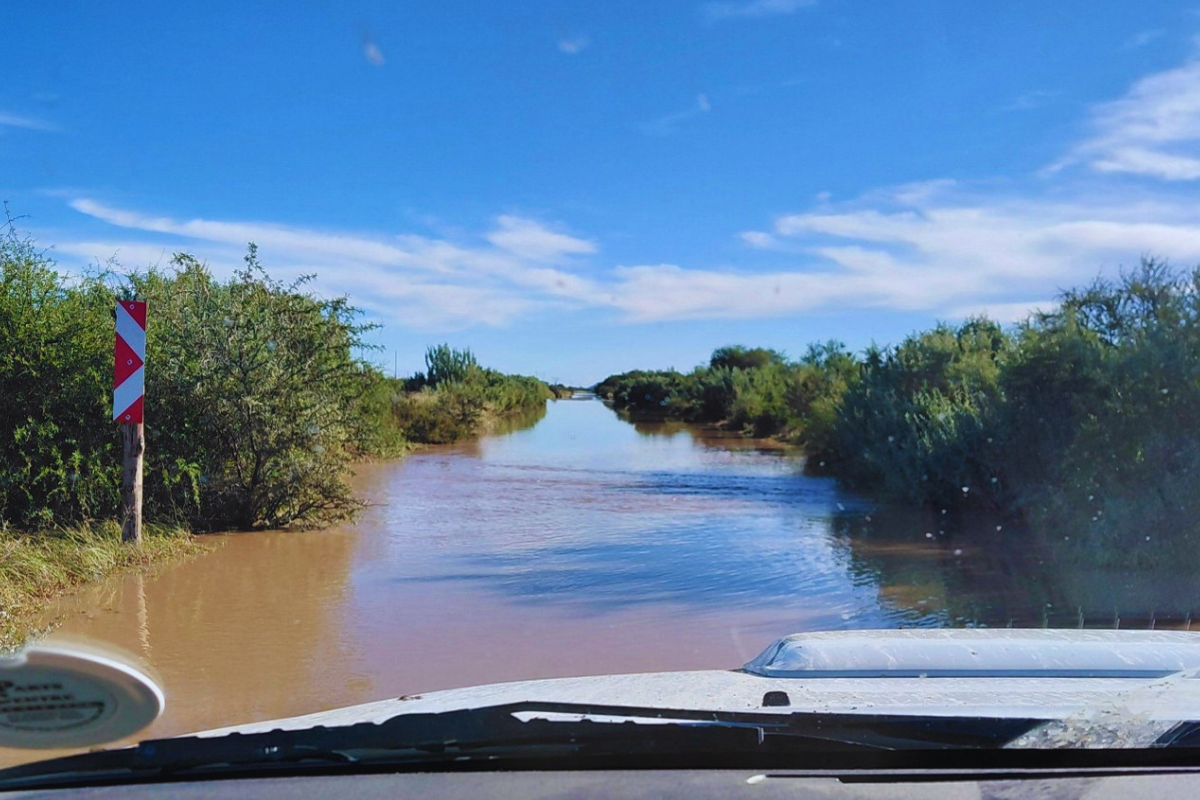
Working in remote agricultural areas comes with its challenges. When asked about her biggest farm-inspection fear, Karen identifies one as getting caught in a flash flood or river crossing without cell phone reception. Her experience highlights the unpredictable conditions valuers may encounter when travelling through the Karoo, where preparation and awareness of the environment are important.
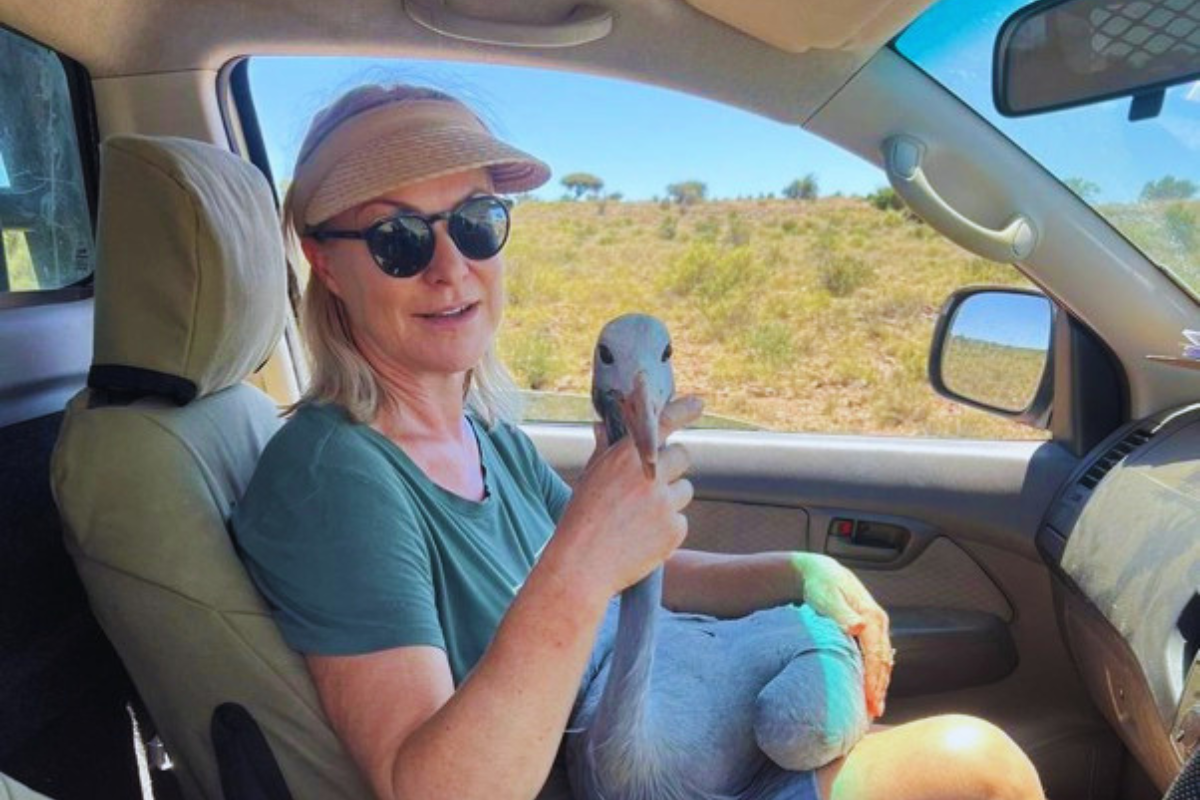
Her inspection stories also include some unexpected animal encounters. On one occasion, a farmer untangled a Blue Crane from a fence, after which the bird sat on Karen’s lap while the inspection continued. The farmer had to take photographs of the farm on her behalf and open all the gates. Interestingly, whenever he returned to the bakkie, the bird nipped at him. Karen recalls the experience as very amusing.
Another inspection involved an ostrich that apparently took its role as watchdog seriously. Karen had encountered small, snappy dogs that chased her measuring wheel, but this was a different challenge. She was chased by an ostrich and had to make a quick escape through a fence. The owner was absent and had forgotten to mention the watchdog ostrich in the yard.
These experiences are reminders that agricultural valuers need to remain alert to their surroundings while carrying out inspections. The work involves more than assessing buildings and land; it also means navigating the practical realities of working on active farms.
Getting around a property can be an adventure in itself. During one inspection, the farm bakkie would not start, and the owner was away, leaving farm workers to show Karen around. Her own car was new at the time, and she did not want to risk scratching its paintwork on veldt roads lined with bushes. Instead, she travelled around the farm sitting on the back of an old, rickety trailer pulled by a tractor.
Karen always carries Tyreweld and water, two items she considers essential and practical when travelling through agricultural areas. On another occasion, a farm road was too wet to drive along without getting stuck, forcing her to walk approximately two kilometres along a muddy road to reach the homestead. There was no cell phone reception.
Beyond these unpredictable moments, Karen emphasises the knowledge and judgement required to be a good agricultural valuer. In her view, valuers need a sound understanding of different farming practices and the ability to interpret local market information, applying it logically and practically to the property being assessed. Good communication with the client is equally important.
This understanding helps explain why two neighbouring farms can have completely different values. Differences in extent, topography, buildings, land components, water sources, infrastructure condition and management practices can all influence value. Access is another important consideration. A farm’s location next to another property does not mean the two are equivalent; their individual characteristics must be assessed.
Karen also identifies the failure to apply an open-market scenario in terms of the definition as one of the biggest mistakes people make when thinking about farm values. Her comments underline the importance of considering the property within the appropriate market context rather than relying on assumptions about what it should be worth.
For Karen, one of the most rewarding parts of an inspection is driving through the veldt with the farmer or manager and learning about the different aspects of the farm, particularly facts she would not otherwise have known. These conversations provide opportunities to understand the property from the perspective of those who work with it every day.
Sometimes, the landscape itself leaves a lasting impression. The most beautiful agricultural property Karen has inspected was a farm in the Swartberg Mountains near Prince Albert. Although it was not the most productive farm, its scenery was breathtaking.
Outside her professional work, Karen enjoys horse riding, gardening, growing vegetables, trail running, socialising and spending time outdoors.
After 16 years in agricultural valuation, she describes the profession in three words: Experience. Perception. Knowledge.
Together, these capture the professional expertise, practical understanding and judgement that agricultural valuation demands. As Karen’s experiences demonstrate, every property has its own characteristics, every inspection brings different challenges, and you never quite know what you might encounter when you open the farm gate.